Gentle decompression
Flexion Distraction
A non-thrust technique using specialized tables, often used to support disc-related and lower-back concerns.
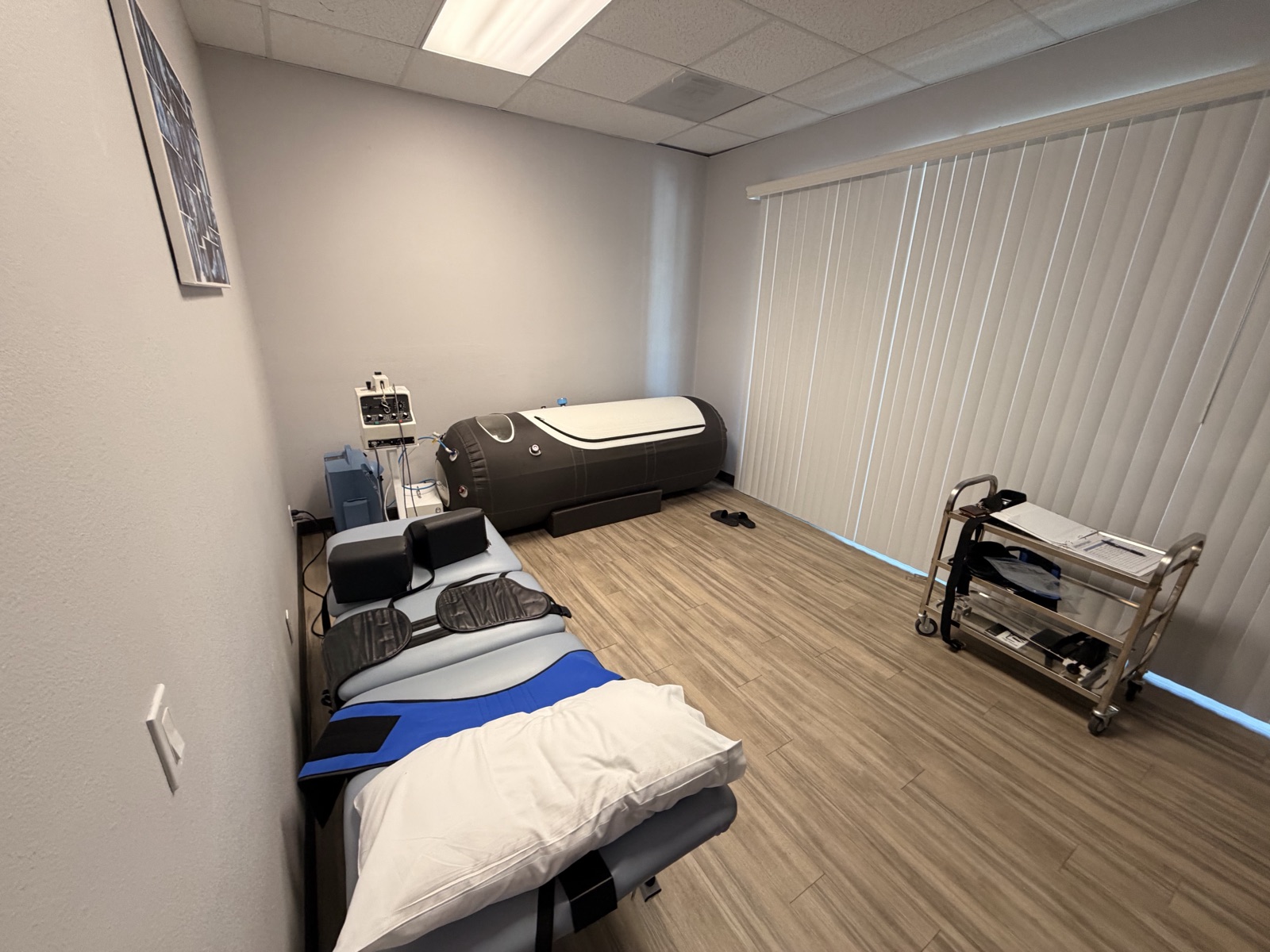
Flexion Distraction uses Leander and Cox tables that gently move and decompress the spine while Dr. DeCloedt guides the motion by hand. There is no forceful thrust. The table does the slow, rhythmic work while you stay relaxed.
During a session you lie face down on the table while it moves through a slow, controlled range. The motion creates a gentle, rhythmic decompression, and Dr. DeCloedt directs it to the area that needs attention, adjusting the pressure and range to what your body tolerates. Most people describe it as easy and relaxing rather than forceful, with nothing to do but stay loose and let the table work.
It is one of the gentler tools in the practice, which is why it is frequently chosen for people dealing with disc-related discomfort and lower-back concerns who want a lighter approach. It is often paired with adjustments and other care as part of a broader plan, and whether it fits your situation is decided after your exam.
What to expect
How it works here
You stay comfortable
You lie face down on the table while it moves through a slow, controlled range. Most people describe it as easy and unforced.
Guided by hand
Dr. DeCloedt directs the motion to the area that needs it, adjusting pressure and range to what your body tolerates.
Often paired with other care
Flexion Distraction is commonly combined with adjustments or therapies as part of a broader plan.
Is it right for you?
That is what the exam is for
Commonly used to support disc-related and lower-back concerns. Whether it fits your situation is decided after an exam.
This page is general education, not medical advice. Dr. DeCloedt determines what is appropriate for you individually after an evaluation.
Ready to start?
Book an exam with Dr. DeCloedt, or ask the concierge a question first.